

Simple Errors Can Lead to Leaning, Cracks, and Drainage Trouble
Many retaining wall problems start with a few basic mistakes during retaining wall construction. The most common ones are poor drainage, weak base prep, bad material choice, and walls that are too tall for the design. These issues can cause bulging, leaning, cracks, or even failure over time. If you want a wall that lasts, it helps to know what goes wrong before work begins.
Quick Diagnosis Summary
When a retaining wall fails, the cause is often below the surface. A wall may look fine at first, then shift after heavy rain or seasonal ground movement. In many cases, the trouble starts with soil pressure, trapped water, or a base that was not compacted well. Good retaining wall construction depends on planning, drainage, and careful installation from the ground up.
Common Symptoms
Early signs of trouble are usually easy to spot. A wall may start to lean forward. Blocks may move out of line. Cracks can form in concrete or mortar joints. You may also see water pooling near the base or dirt washing out from behind the wall. If the top of the wall looks wavy or uneven, that can point to movement in the footing or backfill.
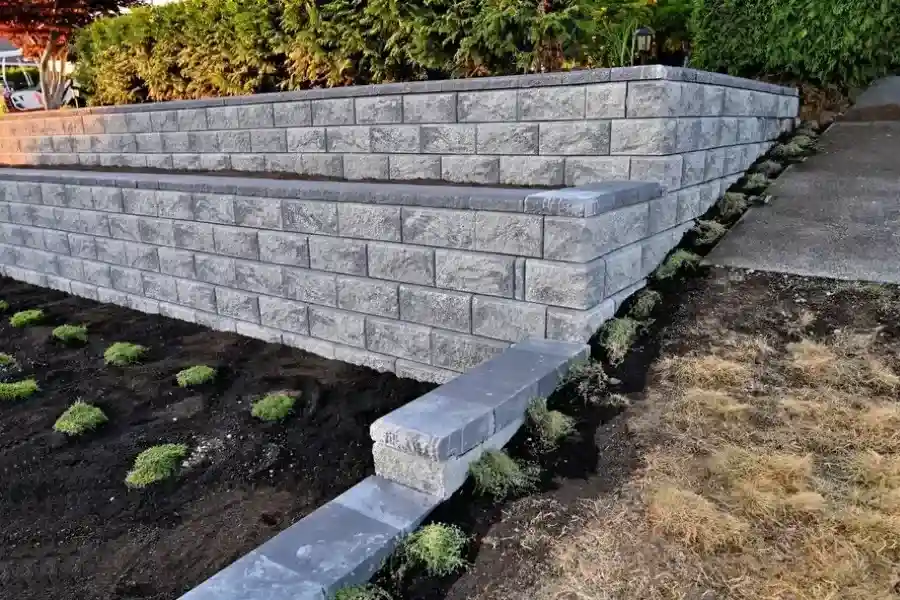
Here are some warning signs to watch for:
- leaning or bowing outward
- cracks in blocks, concrete, or joints
- gaps between wall sections
- standing water near the wall
- soil erosion behind or under the wall
- loose stones or shifting blocks
Likely Causes
One of the biggest mistakes in retaining wall construction is skipping drainage. Water builds up behind the wall and adds weight and pressure. That pressure pushes the wall forward. Another common problem is poor base work. If the gravel base is too thin or not packed well, the wall can settle unevenly.
Bad material choice also causes problems. Some walls need interlocking block systems, while others need poured concrete, timber, or stone. The right pick depends on wall height, soil type, slope, and water flow. A wall built with the wrong product may not handle the load. This can happen in many types of outdoor and landscape work, especially when the plan does not match site conditions.
Another mistake is building too high without added support. Taller walls often need engineering, geogrid reinforcement, or permits. Some people also backfill with the wrong soil. Clay-heavy soil can hold water and increase pressure. That makes failure more likely.
What to Check First
If a wall looks off, start with a simple visual check. Look for where the wall is moving and where water is collecting. See if downspouts empty near the wall. Check for clogged drain pipes or missing gravel backfill. If blocks are separating, inspect the base area for sinking or washout.
A few first checks can help you spot the source:
- look for standing water after rain
- check if the wall leans more in one section
- see whether the base has settled
- inspect the top and face for cracks
- look at nearby gutter and downspout discharge
- check if soil is spilling through joints or gaps
These steps will not solve every problem, but they can show whether the issue is drainage, settling, or pressure from behind the wall.
Safe Fixes Vs Pro-Level Fixes
Some small issues are safe to address early. For example, clearing a blocked drain outlet, moving a downspout, or adding surface grading to send water away can help reduce moisture near the wall. Replacing a few loose cap blocks may also be simple if the wall itself is still stable.
Other repairs need a trained crew. A leaning wall, a wall with wide cracks, or one that has moved several inches may need partial or full rebuilding. If the base failed, patching the face will not fix the root problem. If the wall is tall or near a driveway, patio, or structure, it is smart to get expert help right away. Walls that hold back a lot of soil can become a safety risk if they keep moving.
Prevention Tips
The best way to avoid trouble is to build the wall right from day one. Solid retaining wall construction starts with a proper site review. Soil, slope, drainage path, and wall height all matter. A strong gravel base, compacted lifts of backfill, and a drain system behind the wall help the wall stay stable.
Prevention also means not rushing the job. A wall is not just stacked block or stone. It is a support system that manages pressure and water. Even a good-looking wall can fail if the hidden parts were skipped.
Smart ways to prevent common mistakes include:
- use the right wall system for the height and load
- install drainage stone and drain pipe behind the wall
- compact the base and backfill in layers
- follow local code and permit rules
- keep roof runoff away from the wall area
- get added design help for taller walls
Final Recommendation
If you are planning a new wall or dealing with early signs of failure, it helps to act before the problem grows. Small installation mistakes can turn into large repair bills later. In McMinnville, TN, soil movement and rain can make weak spots show up faster. If you want clear advice, contact BraveBrick Masonry Services. We can inspect the site, explain what is going wrong, and talk through repair or replacement options. Call us at (615) 931-3854 to get help with retaining wall construction that is built to last.