

Simple Steps That Help Your New Surface Last Longer
Knowing how to maintain your new driveway after installation starts with a few simple habits. Keep the surface clean, remove stains early, control water runoff, and avoid heavy use during the first curing period. A little care now can help prevent cracks, fading, and surface wear later. In places like McMinnville, TN, weather and daily traffic can make upkeep even more helpful.
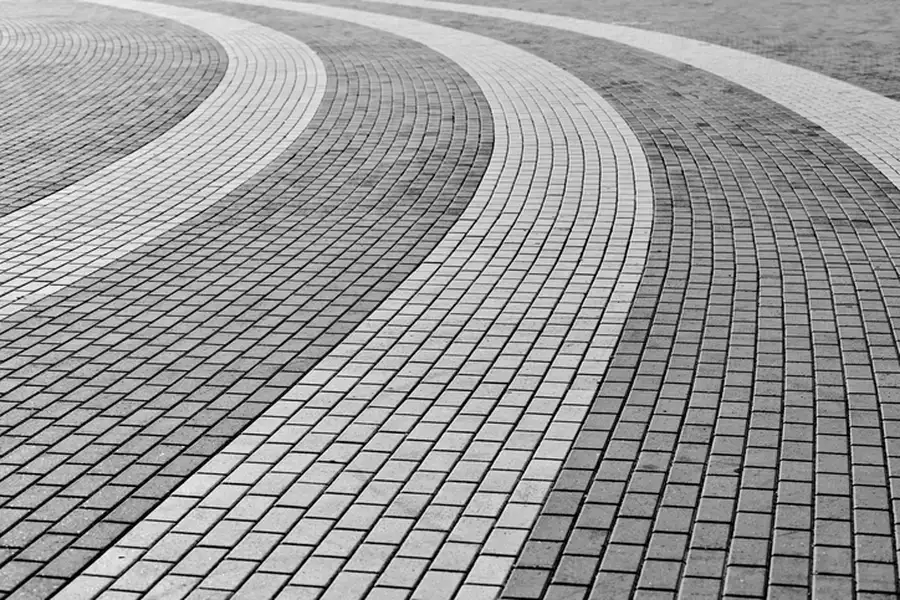
Why Prevention Matters
A new driveway looks great, but it still needs care right away. Good maintenance helps protect the finish and keeps small problems from turning into big ones. After driveway installation, the surface may still be settling or curing, depending on the material. If dirt, oil, water, or heavy weight sits on it too soon, damage can happen faster.
This also matters for safety. A clean and solid driveway gives better traction for cars and foot traffic. It can also help your home look neat and well cared for. Even if your service category is not listed, regular upkeep still supports the life of your investment.
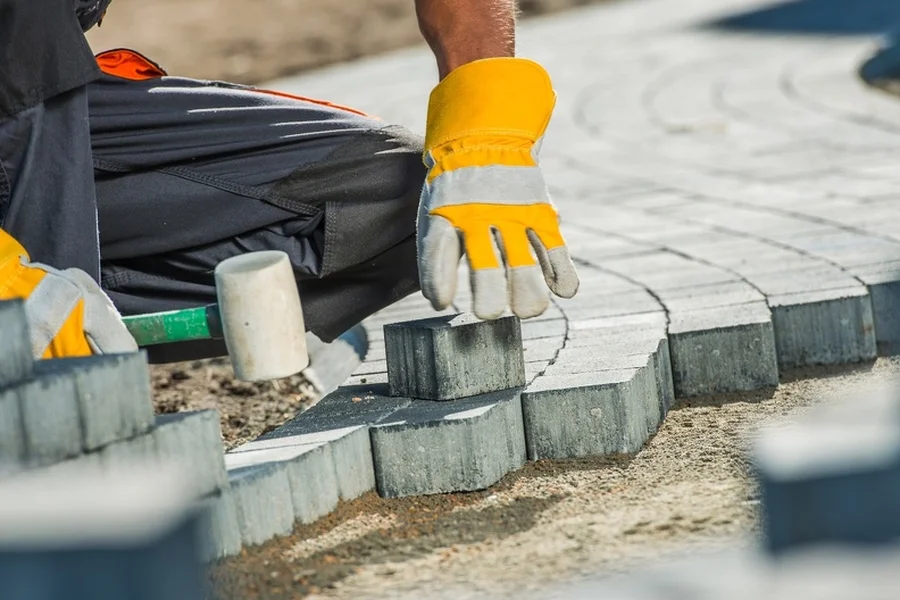
Early Warning Signs
It helps to spot trouble early. Small changes in the surface can be signs that your driveway needs attention. Catching these signs fast can save time and money later.
- small cracks forming near edges or joints
- water pooling in one area after rain
- dark stains from oil, grease, or tire marks
- loose gravel or rough spots on the surface
- fading color or worn seal coating
- plants or weeds growing through gaps
These issues do not always mean major damage, but they should not be ignored. A small crack can widen when water gets in. A low spot can grow worse with repeated traffic. After driveway installation, regular checks make it easier to act before the problem spreads.
Seasonal or Routine Checklist
A simple routine is one of the best ways to care for a new driveway. You do not need fancy tools. Most homeowners can handle basic upkeep with a broom, hose, and a little time each month.
- Sweep away leaves, dirt, and small debris every week or two.
- Rinse the surface with water to stop buildup.
- Clean oil or fluid spots as soon as you see them.
- Check for standing water after rain.
- Look at edges for cracks, crumbling, or washout.
- Keep nearby grass and roots trimmed back.
- Follow seal coating timing if your material needs it.
In warm months, wash dust and stains more often. In cold months, remove snow with care and avoid using harsh metal tools that can scrape the surface. If you use de-icer, check that it is safe for your driveway material. Some products can wear down concrete or asphalt faster than expected.
Best Practices for Long-Term Results
Smart daily use also helps your driveway last. Try not to park very heavy vehicles in the same spot all the time. Spread out weight when possible. If you have delivery trucks, RVs, or work trailers, ask if the surface is rated for that load. New surfaces can weaken faster under repeated pressure.
Water control is another big part of maintenance. Gutters, downspouts, and yard grading should move water away from the driveway. If water runs across it often, the base under the surface can shift. That can lead to cracks, dips, or edge damage. This is true after driveway installation of asphalt, concrete, pavers, or gravel.
If your surface needs sealing, do it on the schedule recommended for that material. Sealing can help block water, sun damage, and stains. Still, sealing too soon can cause problems, so always wait until the driveway is fully ready. If you are not sure, ask a professional before applying anything.
What Not to Do
Many driveway problems start with simple mistakes. Some happen right after installation, while others build up over time. Avoiding these habits can help protect the surface.
- do not park heavy equipment too soon after installation
- do not let oil, gas, or chemicals sit for days
- do not power wash with too much force
- do not use sharp metal shovels on finished surfaces
- do not ignore drainage issues near the driveway
- do not seal the surface before it is ready
It is also a bad idea to skip small repairs. A minor crack may not seem urgent, but it can grow with heat, cold, and moisture. Quick touch-ups are often easier than larger repairs later.
When to Schedule Professional Help
Some maintenance tasks are easy to do on your own, but some problems need trained help. If you see wide cracks, sinking sections, poor drainage, or broken edges, it may be time to call a pro. The same goes for stains that do not lift, sealing questions, or signs the base under the driveway is failing.
Professional care can also help if you are not sure what material you have or how long it needs to cure. Different surfaces need different care plans. A paver driveway, for example, may need joint sand work. Asphalt may need seal coating. Concrete may need cleaning methods that will not harm the finish. Good advice early can help extend the life of the whole surface.
Get Help When Your Driveway Needs Extra Care
If your driveway in McMinnville, TN needs attention, we are here to help with clear advice and dependable service. BraveBrick Masonry Services can inspect the surface, answer your maintenance questions, and suggest the next right step for your property. Call us at (615) 931-3854 to schedule help or learn more about protecting your driveway after installation.